
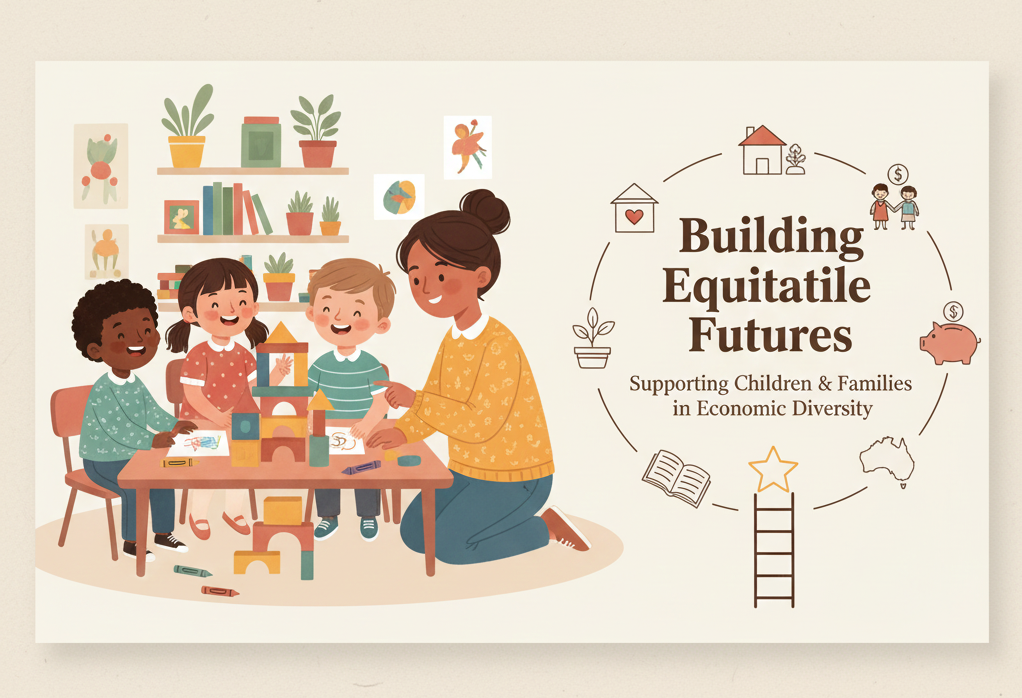
Economic
Economic contexts, and particularly poverty, are the ways families meet financial challenges associated with hardship, with negative influences on children’s early learning and life outcomes. In Australia, many families live on low incomes or experience financial stress that limits access to essentials such as healthy food, safe housing, quality healthcare, and childcare which are all critical to well-being. It is these hardships that impede children from growing up in an equitable way, from the kind of well-developed way in school and life. Poverty influences children’s health and emotional intelligence and contributes to their lack of focus and the failure to get information and to be engaged learners (Sanagavarapu, 2022; Grace & Baird, 2022).
Children are at an increased risk for language, emotional and social delays by the time they begin school in low-income families. The stress that comes from poverty can also affect parents’ well-being, too, that will affect how families help their students to health and learn at home. These impacts can persist outside of early childhood if they remain unmet. An estimated one in six Australian children live in poverty, and the number of children in poverty is increasing as average costs of living rise. Children with a single parent are particularly susceptible.
Poverty results in higher rates of school absenteeism, a greater rate of falling behind in their academic skills like reading and math and feelings of exclusion from essential elements of learning and social development and life. Educators working in early childhood need to appreciate and navigate these economic struggles so that we can create nurturing, inclusive spaces for our students. Government policies provide childcare subsidies, financial support, and community services to support families, but many challenges remain particularly in marginalised and remote communities (Duncan, 2022).
An awareness of the dynamics occurring in these economic contexts means understanding how financial difficulties influence the wellbeing of children and why education must provide these children with additional support and resources to truly succeed.
Impact on Children and Families:
Economic hardship has a severe effect on the development and wellbeing of children. It can delay cognitive development, restrict social-emotional growth, and reduce opportunities for play and learning necessary in early life. Families living in poverty have challenges in fully participating in early childhood programs because they cannot afford childcare and educational resources for children receiving such programs (Sanagavarapu, 2022).
Poverty is another stressor for families, it is associated with higher stress levels, which in turn affect both parenting quality and family relationships. Children’s behaviour and emotional regulation can struggle in this environment. Early childhood services must recognise all this, to create inclusive, supportive environments that lower barriers to participation and promote equity (Grace & Baird, 2022).
Social Policy and Australian Responses:
Several national and state policies form the backdrop to addressing economic hardship in early childhood in Australia. This includes the National Quality Framework for Early Childhood Education and Care, Child Care Subsidy schemes, and sector-specific initiatives such as the Early Years Home Learning Project and Children’s Centres for Early Childhood (Grace & Baird, 2022; Victorian Department initiatives).
Data indicates that affordability is a major barrier for low-income families accessing formal childcare: only 18 per cent of families with incomes under $600 per week use formal childcare versus 33 per cent for higher incomes (Australian Bureau of Statistics, 2018).
Such policies shape early childhood practice through provision of access to quality learning environments and financial support but gaps remain, especially in rural and under-resourced areas (SVA, 2024).
Strategies for Practice:
The following are five evidence-based, child and family resources early childhood educators can use to help children and families in economic distress:
- Strengthen Family Engagement: Try to establish good rapport with families and support flexibility and in decision making, engage families and build trust by gaining open communication about what families need and what they’re good at (Sanagavarapu, 2022).
- Create Inclusive Learning Environments: All children should be able to play and be exposed to learning through low-cost or free resources regardless of the child’s economic background (Sanagavarapu, 2022).
- Foster resilience and social-emotional skills: Utilise trauma-informed strategies and activities that support emotional regulation, self-esteem, and peer interactions.
- Build Access to Community Resources: Link to financial assistance programs, food banks, and support services to ease economic stress (Sanagavarapu, 2022).
- Use Culturally Sensitive Practices: Recognising the diversity of family experiences, including migrant and refugee backgrounds, ensure culturally responsive support (Sanagavarapu, 2022).
Teachers might arrange storytelling groups with donated books, work with welfare agencies, and incorporate wellbeing check-ins to foster emotional safety.
Community and Professional Partnerships:
Collaboration with local organisations strengthens assistance for families facing economic hardships. The five primary partners include:
Berry Street: Offers financial aid, advocacy, and parenting support services tailored for at-risk families.
The Smith Family: Implements education-centered support initiatives aimed at helping children navigate the challenges of poverty.
Barnardo’s Australia: Provides specialised family support, encompassing case management and early intervention strategies.
Department of Social Services (Australian Government): Oversees policies related to income support and childcare subsidies.
Local Community Health Services: Deliver health assessments, developmental screenings, and family support that are readily available to early childhood programs.
These organisations work in conjunction with educators by sharing information, directing families to suitable services, and collaboratively designing intervention programs to improve the wellbeing of families.
Resources for Educators and Children: Projects and Programs
Be You (Early Childhood Australia): Fosters inclusive and resilient learning environments.
Reach Out Parenting: Provides online resources for parents coping with stress.
Early Years Home Learning Project: Assists families in engaging in home-based early education.
Raising Children Network: Offers accessible information on child development for both educators and families.
Children’s Storybooks (ages birth to 5) addressing poverty:
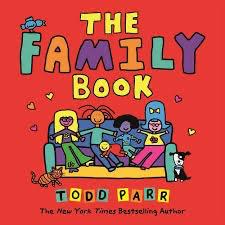
The Family Book by Todd Parr: Highlights various family structures.
A Chair for My Mother by Vera B. Williams: Chronicles the journey of saving after experiencing loss from a fire.

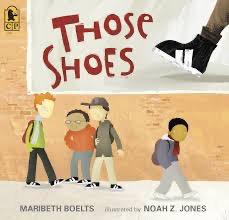
Those Shoes by Maribeth Boelts: Explores themes of poverty and friendship.
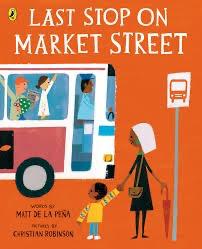
Last Stop on Market Street by Matt de la Peña: Centers around community values and gratitude.
Children’s Videos, Shows, Podcasts:
Tales of the One in Six (Animated series by The Smith Family): Depicts stories of children who triumph over poverty.
Sesame Street episodes: that tackle emotional challenges faced by families.
Listening to Children podcast: Highlights the lived experiences of children from disadvantaged backgrounds.
ABC Kids series: that promotes inclusive messages about community and kindness.
By utilising these resources, educators can cultivate empathy through discussions on family diversity, promote emotional expression, and enhance resilience via storytelling and reflective dialogue.
This comprehensive resource addresses the socioeconomic aspects of early childhood by integrating theoretical frameworks, policy insights, practical applications, and resource availability to support children and families confronting poverty in Australian contexts.