
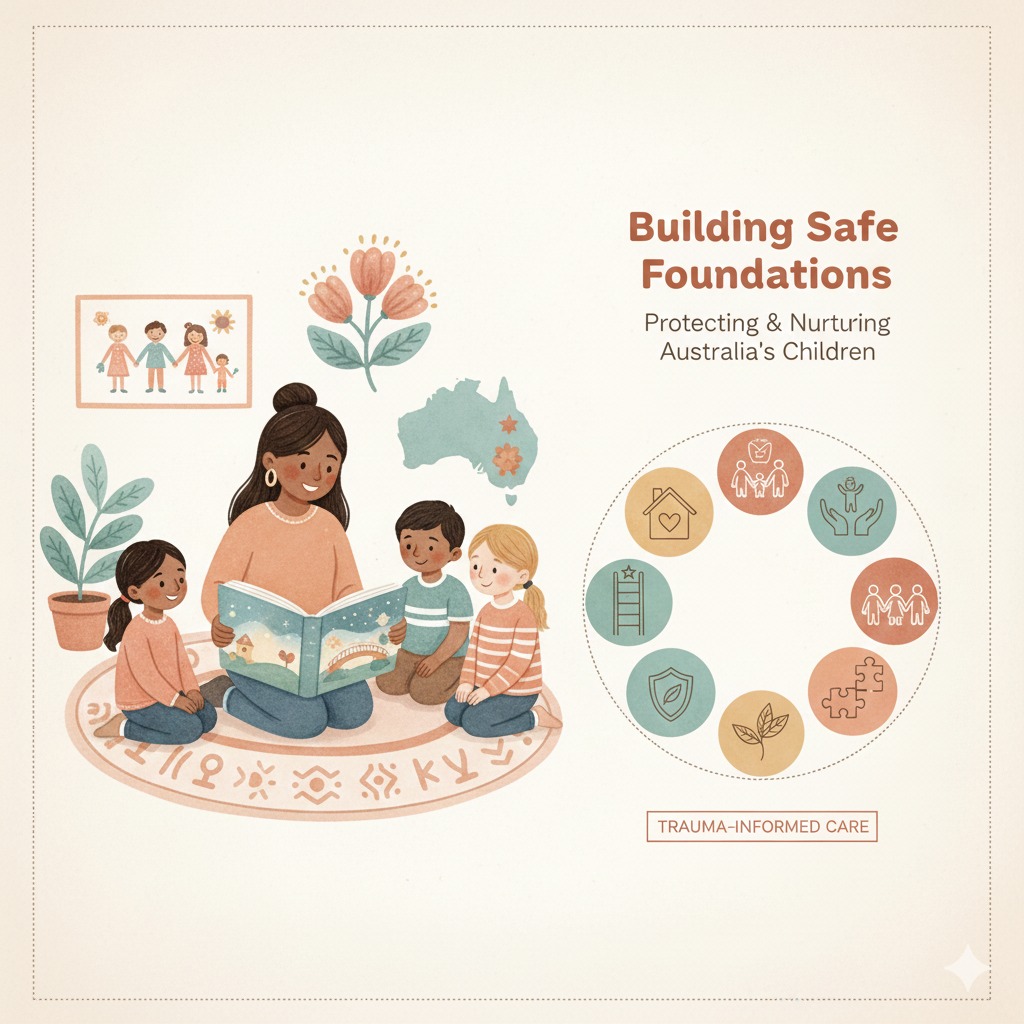
Health and Wellbeing
Child protection in early childhood encompasses the frameworks and resources designed to safeguard children from abuse, neglect, and other dangers within their homes and communities. Out-of-home care comprises various forms of support, including foster care, kinship care, and residential facilities for children who cannot reside safely with their families. In Australia, this issue is critically important as instances of abuse and neglect undermine children’s rights, overall wellbeing, and their potential for development (Cashmore, Conley Wright, & Metcalfe, 2022).
Sociological frameworks like Bronfenbrenner’s ecological model provide educators with insights into how a child’s experiences are influenced by their family dynamics, community environment, available services, and the broader societal context (Cashmore et al., 2022). Studies reveal the wide range of factors contributing to child protection issues such as familial stressors, social isolation, and economic hardship as well as the various consequences these cases may entail, including developmental delays and trauma (Thompson, 2015).
Impact on Children and Families:
The abuse or neglect children face in their lives can greatly impede the emotional, social, and cognitive development of the children they affect. It’s not rare for these children to show symptoms of anxiety, have trust issues with adults, face learning difficulties, or exhibit behavioural issues. Their relationships with families are another aspect affected and can result in separation or placement into different care establishments. Those experiences can lower their school engagement and negatively affect their self-esteem (Cashmore et al., 2022; Thompson, 2015).
While encountering child protection services, these interactions can be stressful and may cause feelings of worry, guilt, or stigma; however, they also could be an opportunity for healing and the needed support. Such a role for early childhood services plays a key part in early childhood education, setting a safe emotional and physical context for children and working with families on resilience building (Cashmore et al., 2022; Thompson, 2015).
Social Policy and Australian Responses:
Australian child protection is covered by state and territory laws. National frameworks such as Safe and Supported: The National Framework for Protecting Australia’s Children 2021-2031 target reducing harm, keeping families together, and addressing over-representation of Aboriginal and Torres Strait Islander children in care (Department of Social Services, 2025). Recent statistics reveal decreasing family reunification and highlight urgent needs for reform and better supports, particularly in Aboriginal communities (SNAICC, 2025). Key policies include:
- National Framework for Protecting Australia’s Children 2021–2031 (Department of Social Services, 2025)
- National Aboriginal and Torres Strait Islander Early Childhood Strategy
- National Plan to End Violence against Women and Children (Department of Social Services, 2025)
These policies drive enhancements in early childhood services like greater educator training, family involvement, child-centered strategies, and place great emphasis on safer conditions and community partnerships.
Strategies for Practice:
Create trusting connections with children and families: Trust is the foundation of all good relationships. Educators must be trustworthy, listen closely, empathise, be consistent, respect both child and family’s emotions and culture. Children and families will be more likely to discuss in-depth concerns and work together when they feel safe and valued (ACECQA, 2025; Queensland Child Safety, 2025).
Use trauma-informed practices: Many children in child protection contexts have experienced trauma. Trauma-informed practice looks like making a calm, safe space with defined routines, and an awareness of each child’s fears. Educators attend, empathetically, to children’s emotions in a way that children can feel safe and respected (Kids First Australia, 2014; Emerging Minds, 2025).
Build children’s resilience through play-based approaches: Play is a natural method children use to share feelings and learn skills. Educators can foster resilience by encouraging social games, teaching emotional regulation, demonstrating kindness and problem-solving. This builds children’s confidence and capacity to cope with challenges (Thompson, 2015; Lillio, 2025).
Work collaboratively: Families experiencing complex issues may need holistic support. Educators can link with professionals such as counsellors, doctors, and family support workers to ensure children and families receive timely and appropriate help beyond the education setting (Thompson, 2015).
Observe regularly and document children’s wellbeing: Staying on the lookout for changes in behaviour or mood, and documenting this through observation helps to make sure educators can spot changes in behaviour, mood, or development. Detailed documentation is for sharing with child protection workers or specialists to receive early intervention and protection when necessary (Thompson, 2015; Queensland Child Safety, 2025).
Community and Professional Partnerships:
Department of Social Services: Oversees national frameworks and provides resources (Department of Social Services, 2025).
SNAICC – National Voice for Aboriginal and Torres Strait Islander Children: Advocates and delivers culturally safe supports (SNAICC, 2025).
Berry Street: Offers trauma-informed education and family services
The Australian Childhood Foundation: Provides therapeutic services for children experiencing trauma
Child Protection Helplines and local family support workers.
Resources for Educators and Children: Projects and programmes.
Child Protection Australia (AIHW): National statistics and factsheets (Australian Institute of Health and Welfare, 2025).
Bravehearts: Child safety programs and educator resources https://bravehearts.org.au/
Kids Helpline: Support for children and families experiencing crisis https://kidshelpline.com.au/
Emerging Minds: Educator tools for trauma-informed care https://emergingminds.com.au/
Children’s storybooks (birth–5 years):
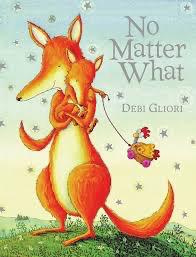
No Matter What by Debi Gliori: centers around unconditional love and trust.
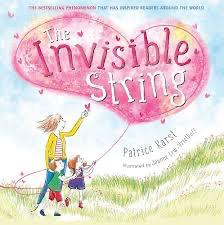
The Invisible String by Patrice Karst: guides children through separation.
A Chair for My Mother by Vera B. Williams: commemorates family resilience.
The Family Book by Todd Parr encourages diverse and accepting families.
Children’s videos, shows, podcasts:
Bluey ABC Kids: Emotions and family support episodes.
Play School ABC: Teaches kindness, problem-solving, and safety.
Kids Helpline Pod: Coping strategies and emotional support https://kidshelpline.com.au/teens/issues/podcast
Daniel Tiger’s Neighbourhood: Focusing on feelings, family, and coping.
Resources that promote understanding, build empathy, and teach resilience. Educators use them in small group discussions, Storytime, and intentional teaching to support children’s social-emotional learning.